

Glock Discontinuing Handguns: What Users Need to Know
Recent industry buzz has many firearm owners and enthusiasts asking whether Glock is discontinuing handguns or specific models. As one of the world’s most recognized handgun manufacturers, any news about Glock’s product lineup changes draws strong attention — especially among competitive shooters, law enforcement, and civilian owners.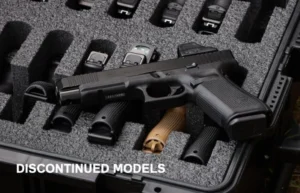
This article explains what’s happening, what models might be affected, and what it means for buyers and current Glock owners.
Is Glock Really Discontinuing Handguns?
As of the latest official statements, Glock has not announced a complete exit from handgun production. Glock remains a major handgun manufacturer worldwide, continuing development of pistols used by military units, police forces, and civilian shooters.
However, like all manufacturers, Glock periodically discontinues or phases out specific models to make room for updated versions, improvements, or market shifts.
Why Glock Discontinues Certain Models
Firearm manufacturers discontinue models for several business and practical reasons:
???? Product Lifecycle Management
Older models may be phased out to allow newer, more advanced designs to take their place.
???? Changing Market Demand
As shooting sports evolve, consumer preferences shift — leading manufacturers to focus on popular calibers and configurations.
???? Technological Advancements
New materials, ergonomics, and safety features may make older models obsolete.
???? Law Enforcement Contracts
Changes in agency requirements or procurement contracts can influence which models remain in production.
Examples of Discontinued Glock Models
Over the years, Glock has stopped producing or replaced certain pistols, including:
-
Glock models in less common calibers
-
Older generations of existing models as newer versions are released
-
Trials and limited-run variants that don’t meet broad market demand
Discontinuation doesn’t mean the gun is useless — many retired Glock models remain popular on the secondary market and are still widely supported with parts and accessories.
What This Means for Buyers
If you were planning to buy a Glock handgun, here’s how model discontinuations might affect you:
???? Availability
Discontinued models may become harder to find from dealers, though they often remain listed in used marketplaces.
???? Pricing
Rare or discontinued pistols sometimes increase in value among collectors.
???? Parts & Support
Even discontinued models tend to have strong aftermarket support for magazines, holsters, sights, and maintenance parts.
Why Many Owners Still Prefer Glock
Despite occasional discontinuations, Glock remains a leading choice because of:
-
Proven reliability
-
Wide safety and accessory ecosystem
-
Ease of maintenance
-
Professional and civilian adoption
-
Strong resale value
These strengths mean that even discontinued models continue to be trusted by shooters worldwide.
Tips for Buyers Considering a Glock
If you’re thinking about purchasing a Glock handgun:
✔ Check current production models available from dealers
✔ Consider newer generations for long-term support
✔ Look at legal accessories like holsters, optics, safes, and training gear
✔ Verify local firearm laws and compliance requirements
Final Takeaway
While Glock may discontinue specific models over time, the company has not signaled an end to handgun production. Instead, discontinuations reflect normal product evolution in a competitive market. Current and future Glock owners can still benefit from a broad lineup, strong aftermarket support, and a well-established reputation.